Main Idea Questions: Answer BEFORE You Look
You finish the passage. You click to the question: "The primary purpose of the passage is to..." You scan the five choices, and one jumps out because it uses three phrases you just read. It FEELS familiar. You pick it. You move on. It's wrong.
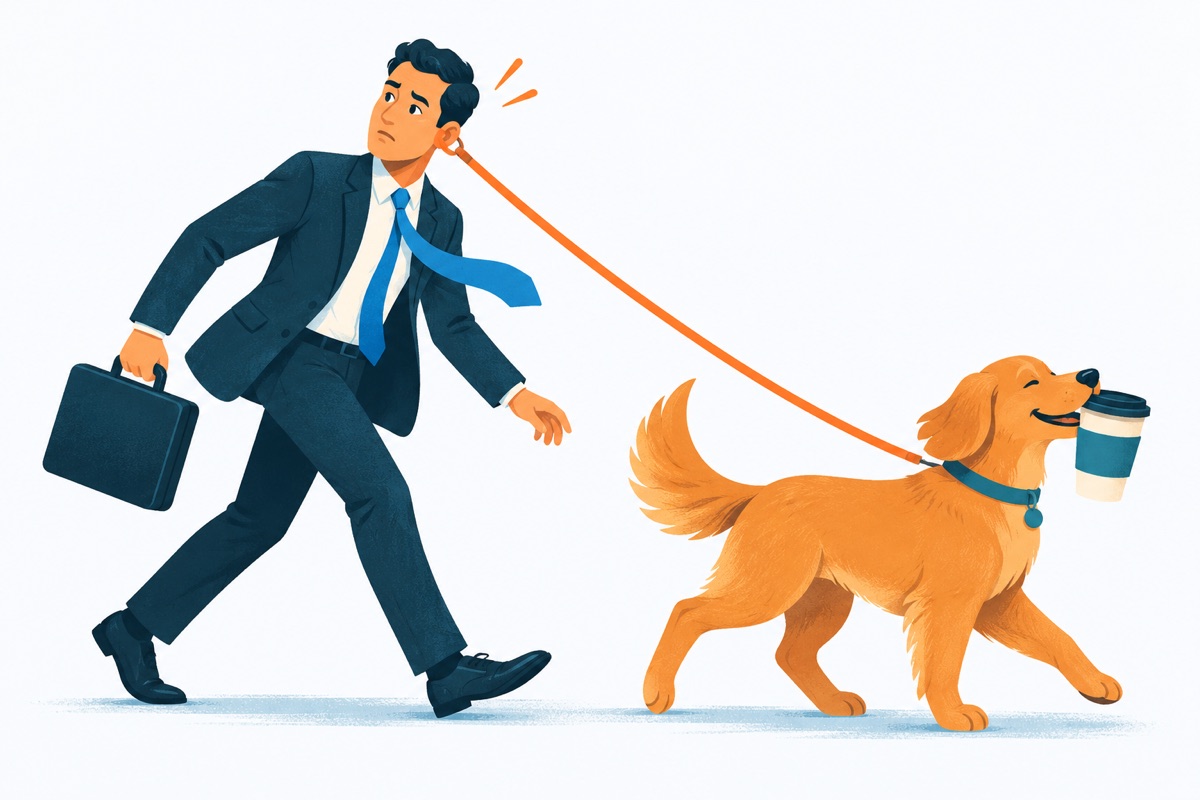
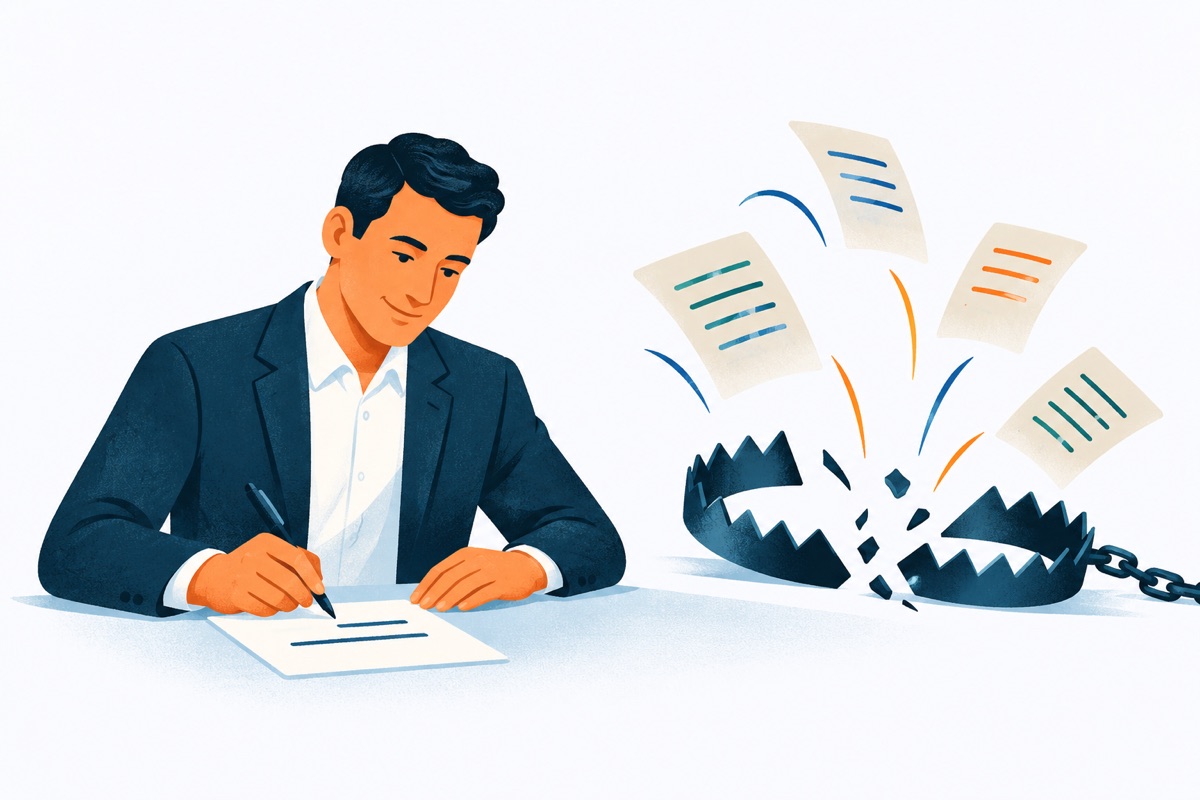
That answer wasn't an accident. It was built to catch you. On Executive Assessment Main Idea questions, the wrong answers are written to look like the passage, sound like the passage and borrow the passage's words. If you walk into the choices without your own answer, you're shopping without a list, and the test is happy to sell you something.
Here's the fix. It's so simple that most people skip it: say the main idea in ONE sentence, on paper, BEFORE you look at a single choice. Do that, and the traps lose their pull.
What a Main Idea question is actually asking
Reading Comprehension (RC) gives you a short passage and a few questions about it. A Main Idea question asks what the passage as a whole is about, or why the author wrote it. You'll see it as "the main idea," "the primary purpose" or "which title fits best." It is NOT asking about one line. It's asking about the whole thing.
On the Executive Assessment, RC lives inside the Verbal Reasoning section: 14 questions in 30 minutes, mixed in with Sentence Correction and Critical Reasoning. That's a little over 2 minutes per question on average, and every RC passage eats reading time before you answer anything. If you haven't sorted out how those three question types fight over your clock, read about why Verbal is three tests hiding in one section. The Verbal section is scored from 0 to 20, and it counts exactly as much as Quant and Integrated Reasoning toward your 100 to 200 total, per GMAC's breakdown of the test structure. So no, Verbal is not the section you get to coast through.
Why the wrong answers pull so hard
Stop for a second. If you were writing a wrong answer and you wanted smart, busy people to pick it, what would you do? Don't read another word until you have at least one idea.
You'd make it sound TRUE. That's the whole game. Most wrong Main Idea answers fall into four buckets:
| Trap | What it looks like | Why it tempts you |
|---|---|---|
| Too narrow | A real detail from one part of the passage | It's true, so it feels safe |
| Too broad | A big claim that covers far more than the passage does | It sounds smart and "big picture" |
| Too extreme | The author's idea pushed to "always," "every" or "proves" | It's close to the point, just louder |
| Out of scope | Something the passage never talks about | It borrows a word or topic from the passage |
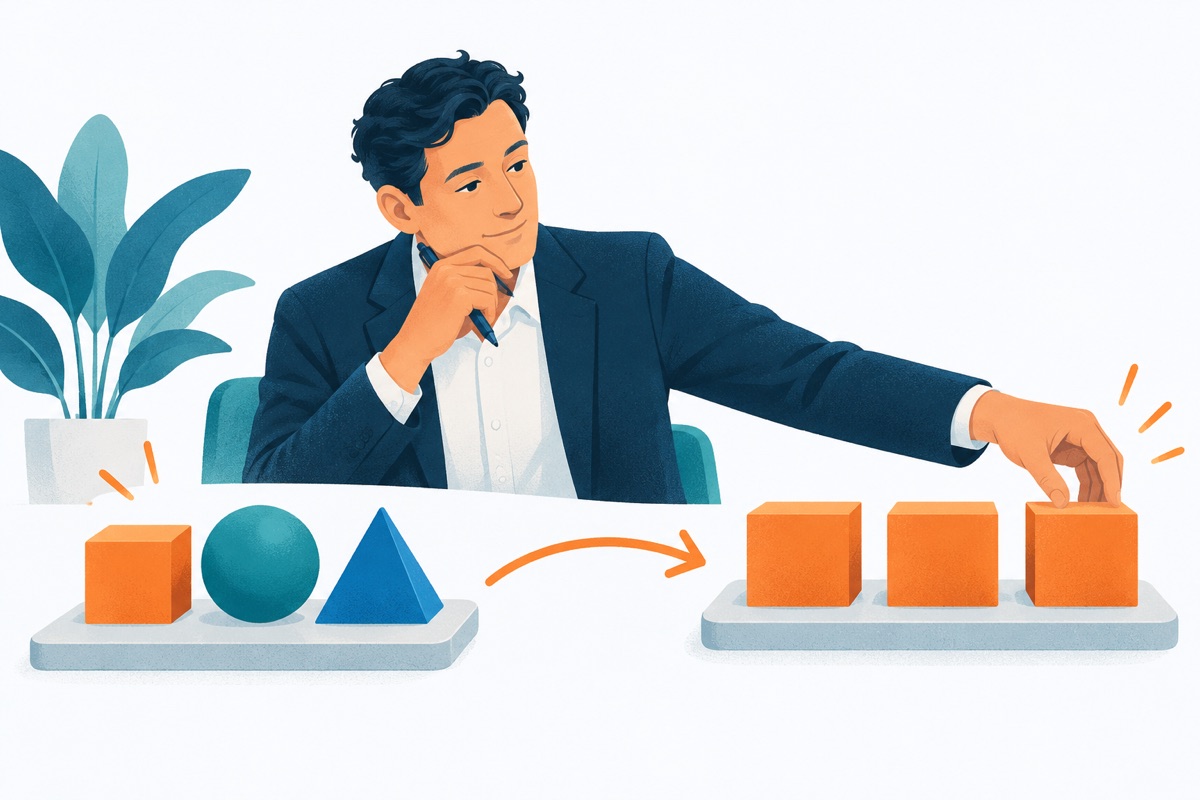
Notice what all four have in common. Each one only works if you DON'T already know the answer. A detail looks like a main idea when you have nothing to compare it to. Once your own sentence is sitting on your notepad, that detail looks like what it is: a piece, not the whole.

The move: answer BEFORE you look
As you read, jot a few words for each chunk of the passage. Not full sentences. Just enough to track where the author is going. When you hit a Main Idea question, look at those notes and write one sentence that answers two things: what is the author telling me, and where's the turn? Most passages have a turn: a "but," a "however," a cost, a twist on an old view. Your sentence has to catch it.
Then, and ONLY then, read the choices. Your job is no longer "which one sounds good?" Your job is "which one MATCHES what I wrote?" That's a much easier job, and a much faster one.
If this sounds familiar, it should. It's the same habit that wins on Critical Reasoning. When you predict the missing piece on Strengthen questions, you're doing the exact same thing: deciding what you want before the choices start talking to you.
5 mistakes I watch people make every week
Reading the choices first. You let five choices shape your idea of the passage, and four of them were written to mislead you.
INSTEAD: Cover the choices with your hand if you have to. Sentence first. Choices second. Every time.
'Summarizing' in your head. You think you know the main idea, so you skip writing it. Then you read choice (A), and your 'summary' quietly bends to match it.
INSTEAD: Write it down. Eight words is plenty. A sentence on paper can't change its mind when a tempting choice shows up. What do you want MORE: to save ten seconds, or to stop handing away points you already earned?
Picking the choice with the most passage words. Borrowed words are the cheapest trick in the book. They make a choice feel 'safe.'
INSTEAD: Match on MEANING, not on vocabulary. The right answer often uses different words than the passage. That's fine. Ask: does it say what my sentence says?
Grabbing the first sentence. Plenty of passages open with the old view or the basic setup, and then the author turns. In the example, the first sentence is about MOST plants. The passage is about desert plants.
INSTEAD: Hunt for the turn. Your one sentence should include whatever came after the "but," "however" or "this has a cost."
Re-reading the whole passage when two choices look close. That burns a minute you don't have in a 30-minute section.
INSTEAD: Go back to your notes, not the passage. Check each finalist against both halves of your sentence. The wrong one almost always drops a half or adds something the passage never said.
This is training, not talent
Some people think they're 'too good a reader' to need a one-sentence summary. That's pride, and pride is expensive on test day. Strong readers miss Main Idea questions all the time, and not because they didn't understand the passage. They understood it fine. They just let a well-built wrong answer talk them out of what they knew.
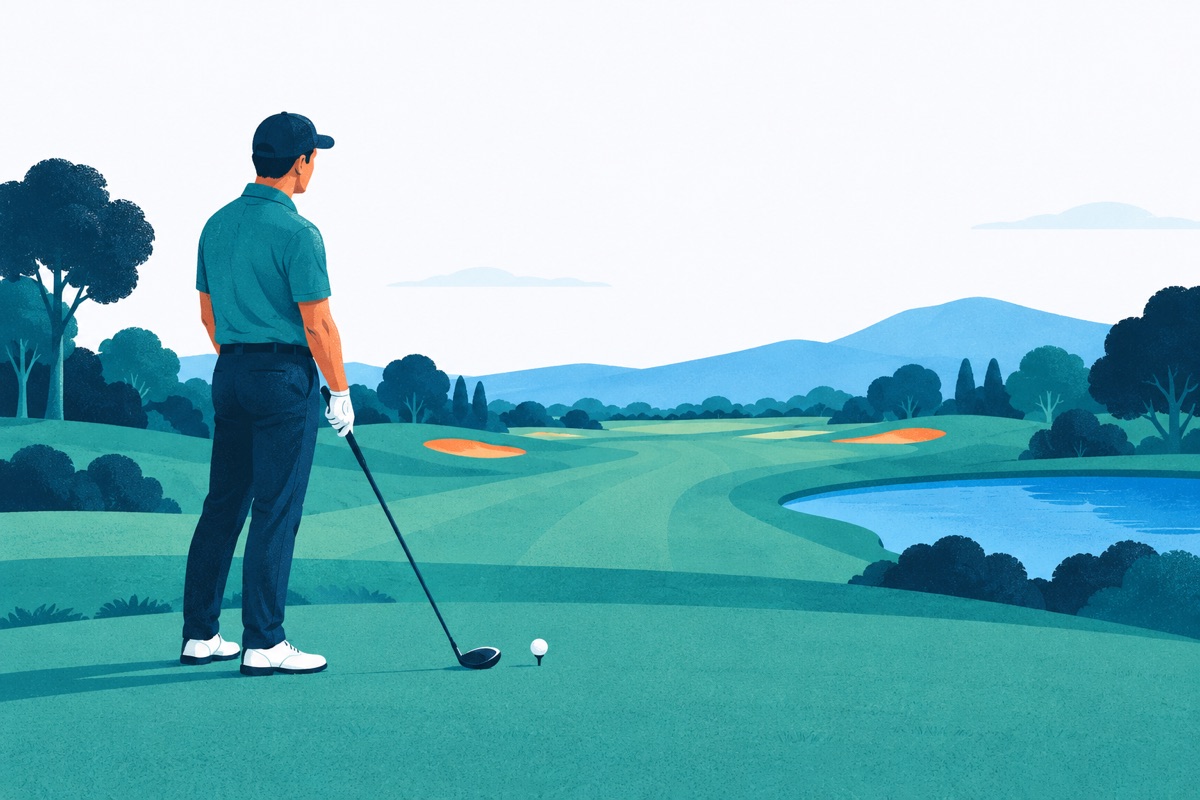
Think of it like a golfer's pre-shot routine. The pros don't skip it because they're good. They're good because they never skip it. Your sentence is your routine. It has to be automatic before test day, which means you build it in practice, on every single passage, even the easy ones.
Your challenge for today
Pull three RC passages you haven't seen. For each one, read it with notes, then cover the questions and write the main idea in one sentence. Only then uncover the Main Idea question and pick. Afterward, look at the choices you threw out and name the trap each one used: too narrow, too broad, too extreme or out of scope.
I'll bet that by the third passage, at least one wrong answer that would have fooled you last week looks OBVIOUSLY wrong. That's not luck. That's the sentence doing its job. Do it today, before you talk yourself out of it.